
History
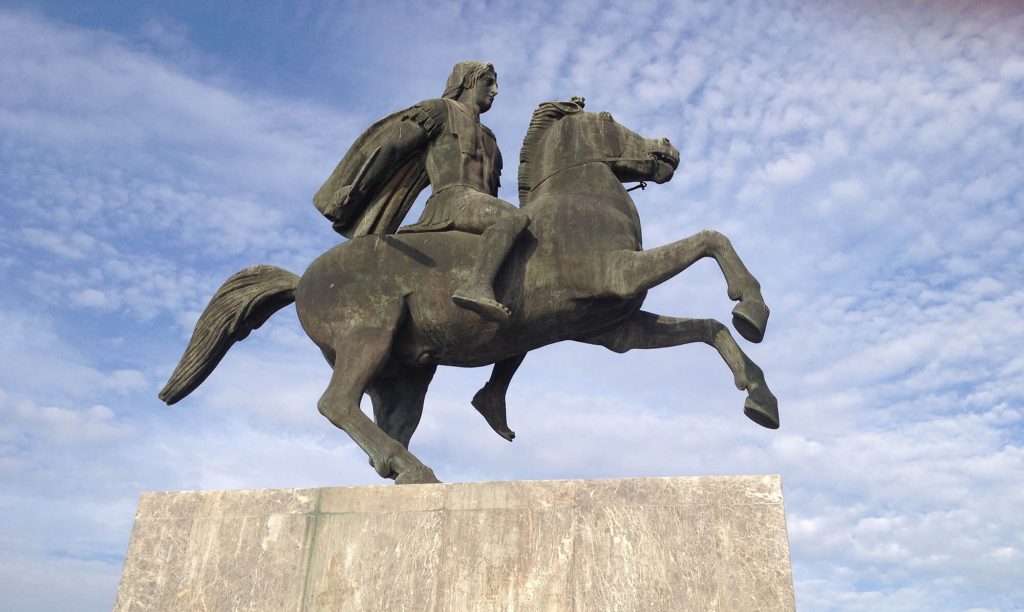
Thessaloniki, the second largest city in Greece, is a major economic, industrial, commercial, and political center, as well as a key transportation hub for southeastern Europe.
The city’s commercial port has been significant to Greece since ancient times and the southeastern European hinterland. This world-class city has a rich history and is famous for its festivals, events, and vibrant cultural scene, making it one of Greece’s top cultural capitals.
Thessaloniki was selected as the European Capital of Culture in 1997, designated as the European Youth Capital in 2014, and will represent the 2020 Europride festival this summer. Important cultural and commercial events such as the Thessaloniki International Trade Fair and the Thessaloniki International Film Festival are held annually, and the city hosts the largest bi-annual meeting of the Greek diaspora.
Founded by Cassander of Macedon in 315 BC, Thessaloniki has a cosmopolitan history spanning over 2,300 years. As a significant metropolis during the Roman period, Thessaloniki was the second-largest and wealthiest city of the Byzantine Empire and the seat of Emperor Galerius during the third century. Thessaloniki is home to several notable Byzantine monuments, including the Paleochristian and Byzantine monuments of Thessaloniki, which is a UNESCO World Heritage Site, as well as numerous Roman, Ottoman, and Sephardic Jewish structures.
The city’s main university, Aristotle University, is also located in Thessaloniki.