Summer Opening days-hours
(April 15 - Νovember 14) Daily 8.00 - 20.00
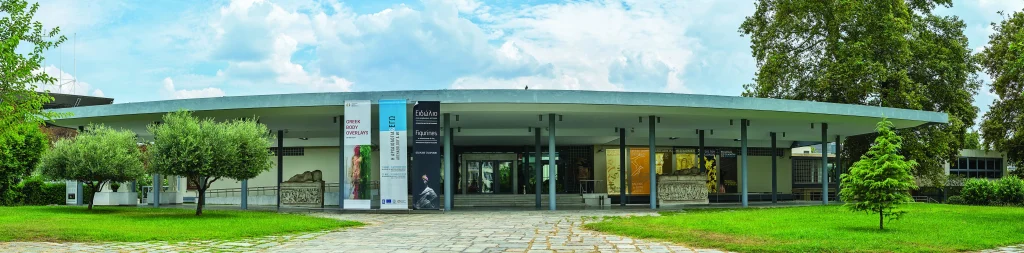
The Archaeological Museum of Thessaloniki is an impressive architectural landmark designed by the renowned architect Patroklos Karantinos. Built in 1962, it is a protected building and a unique example of modernist architecture in Greece.
The museum's collections showcase art and artifacts from across Macedonia, as the archaeological service was the first state service to operate in Thessaloniki after the city's liberation. Since 2002, the museum has been an independent service of the Ministry of Culture and Tourism. In 2003, it underwent a complete renovation to meet new technical and conservation standards. The antiquities exhibition is divided into six permanent units that cover all aspects of life in ancient times. Each year, the museum also hosts a featured exhibition and several temporary exhibitions that highlight the everyday life of Macedonians and their connection to the wider Greek world and the southeast Mediterranean region. Be sure to visit this must-see destination!
Prehistoric Macedonia
Explore the origins of human civilization at the Prehistoric Macedonia exhibit at the Archaeological Museum of Thessaloniki. Begin with the period before the appearance of man, featuring plaster casts of fragments of skulls of Macedonian Uranopithecus, an early anthropoid. Journey through the Paleolithic period (350,000 - 10,000 BC) and explore how prehistoric man lived through a series of thematic assemblages devoted to hunting, fishing, farming and stock-raising, cooking and storage, weaving, metal-working, commercial exchanges, and technology. Alongside these displays, you'll also find artifacts associated with the metaphysical and ideological concerns of prehistoric man, providing a comprehensive understanding of the earliest stages of human civilization in the region.
Towards the Birth of Cities
The exhibition on the ground floor begins with a unit dedicated to the theme of "Towards the Birth of Cities," showcasing artifacts from Iron Age settlements in Macedonia from 1100 to 700 BC. During this period, settlements were reconstituted or founded, with central buildings and numerous storerooms for agricultural products. Examples can be found at Kastanas, Philadelphia, Assiros, and Toumba in Thessaloniki. At the same time, trade intensified with central and southern Greece, as well as with the coast of Asia Minor. Cities in southern Greece, such as Eretria, Andros, and Chalkis, founded colonies on the coast of the Thermaic Gulf, including Mende, Akanthos, Torone, Stageira, Dikaia, and Methone. The Macedonian kingdom of the Argead Temenid dynasty took advantage of the settlement experiences of these colonies' inhabitants. Meanwhile, it consolidated itself to the north of Mount Olympus and east of the Pindos range, from where it extended its authority to the whole of Macedonia after the 7th century BC.
Macedonia from the 7th century BC to Late Antiquity
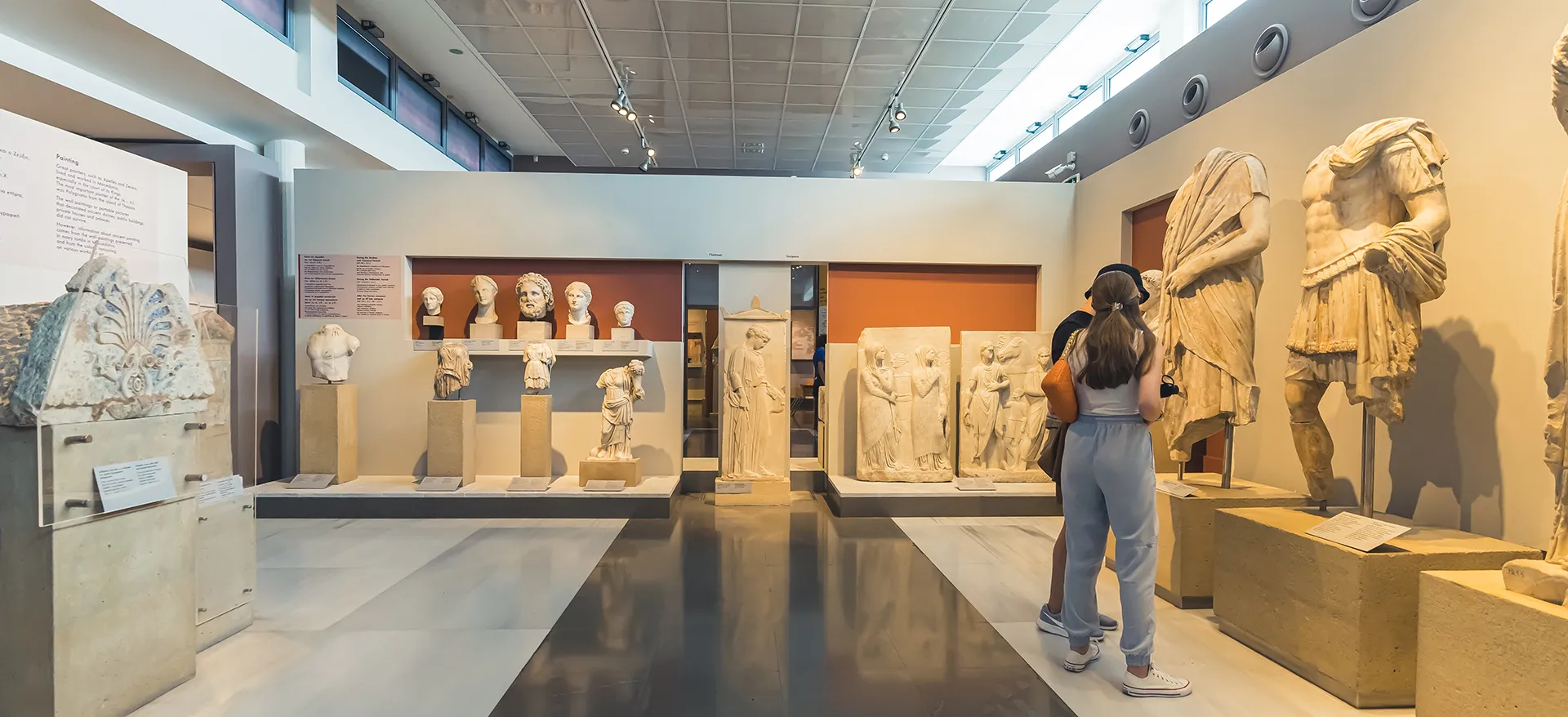
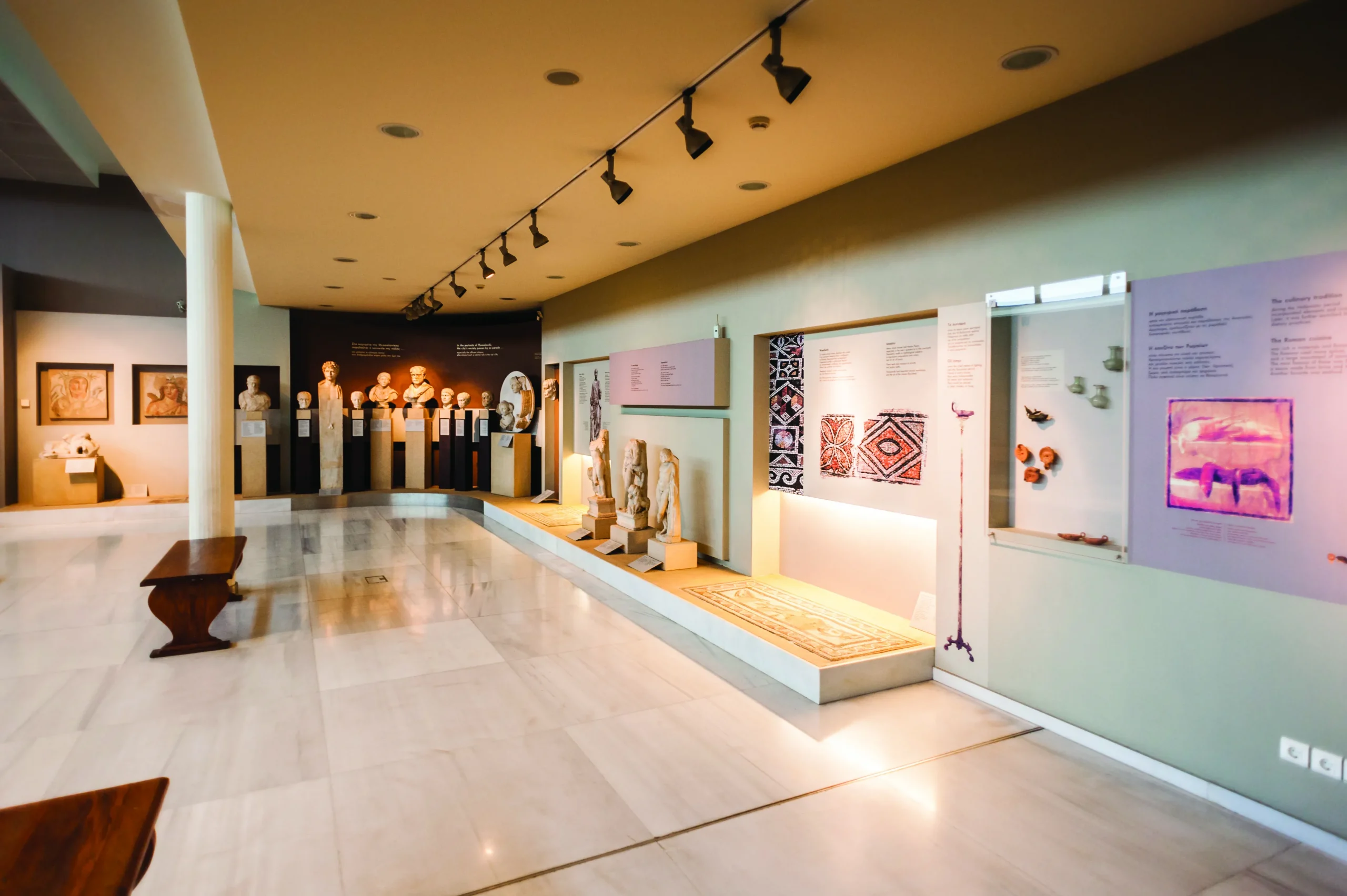
The exhibition unit on the ground floor explores the daily life of the Macedonians from the Archaic period, when the independent Macedonian kingdom was established, to the Imperial period (1st-4th century AD), when Macedonia became a province of the Roman Empire. This exhibition is divided into eight sections, each examining different aspects of daily life in the region, including the political, military, social, and economic organization, arts and literature, religion, and customs of the great Macedonian cities. It features a large number of artifacts from both older and recent excavations, primarily from ancient cities in central Macedonia, including Thessaloniki, Pieria, Kilkis, and Chalkidiki.
Thessaloniki, Metropolis of Macedonia
This exhibit delves into the historical and archaeological evidence of the city, tracing its origins back to its foundation in 315 B.C. by Alexander the Great. The city, during the Roman period, became a notable hub in the province of Macedonia, maintaining its language, culture, and the legacy of its Macedonian history. The exhibit concludes with a partial reconstruction of an Archaic Ionic temple, the original location of which is unclear, but it was relocated in the Roman period to the area of the Sanctuaries of Thessaloniki, and decorated with statues of emperors.
The gold of Macedon
The "Gold of Macedon" exhibit on the ground floor of the museum is located in the inner courtyard. It features a collection of exceptional works of art from various archaeological sites, mainly from Archaic and Classical cemeteries. Additionally, it provides an overview of the entire process of working with precious metals, from mining to the intricate techniques used in creating and decorating valuable objects associated with the public and private life of ancient Macedonians.
Field House Garden Graveyard
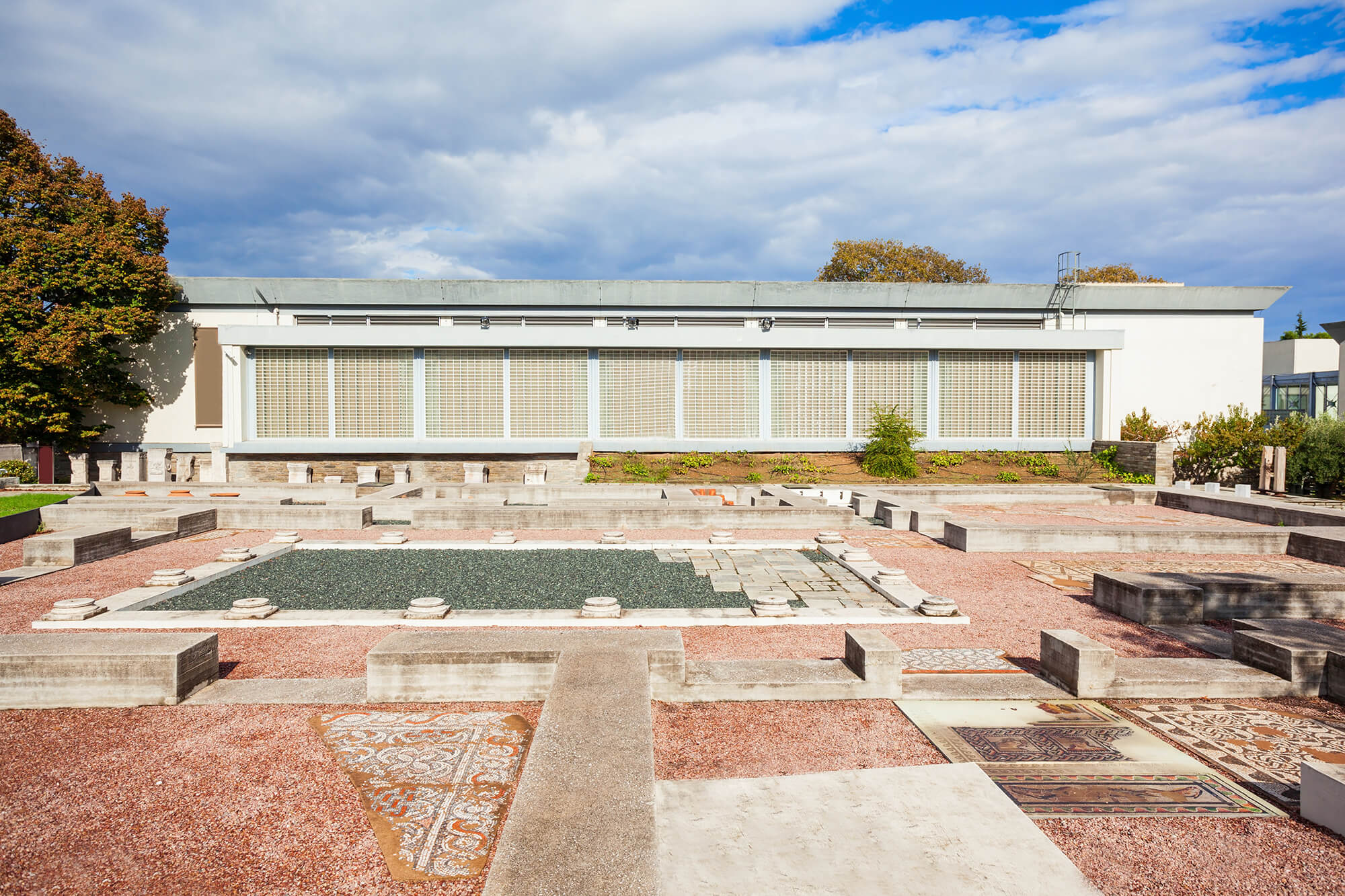
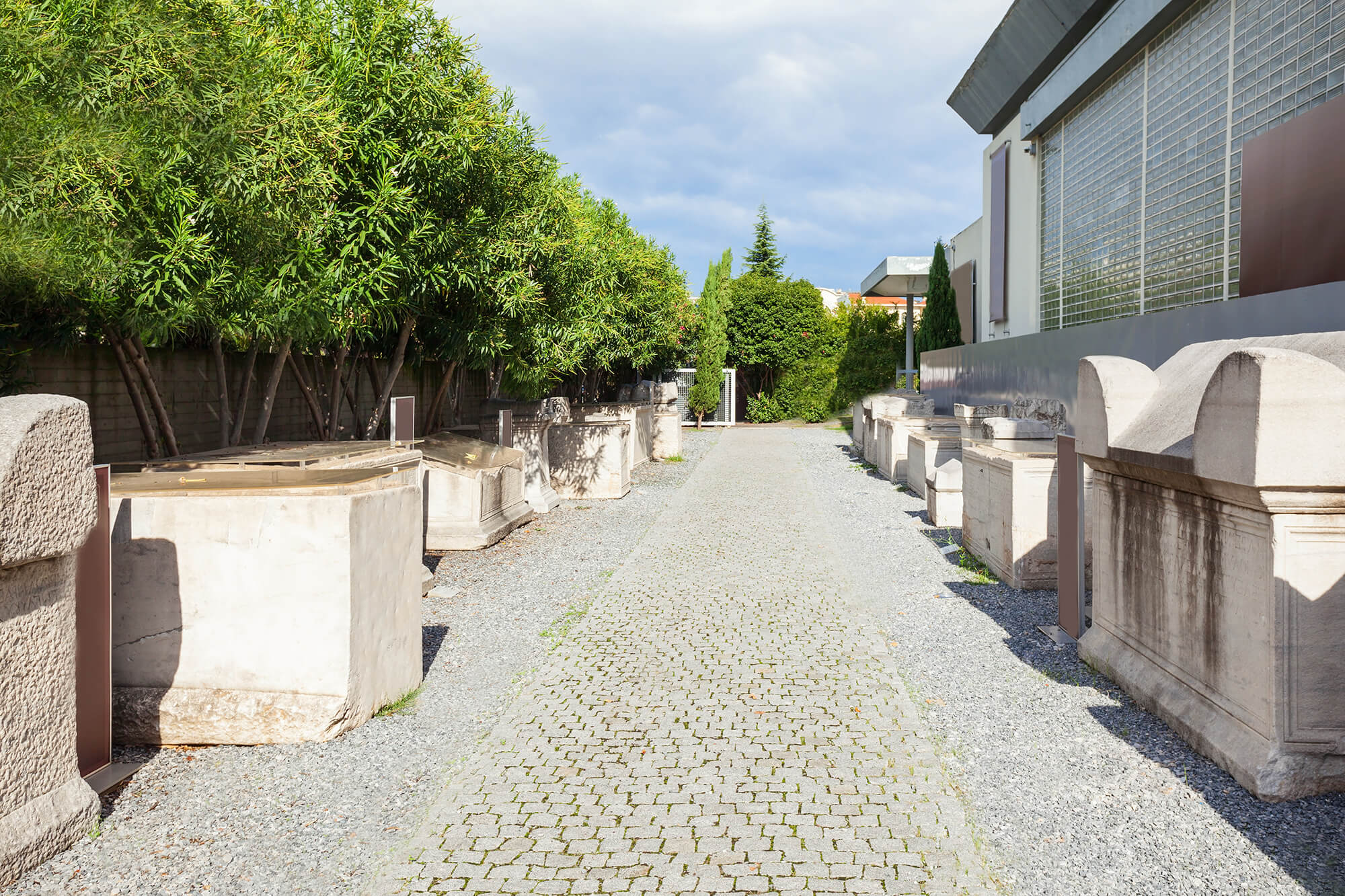
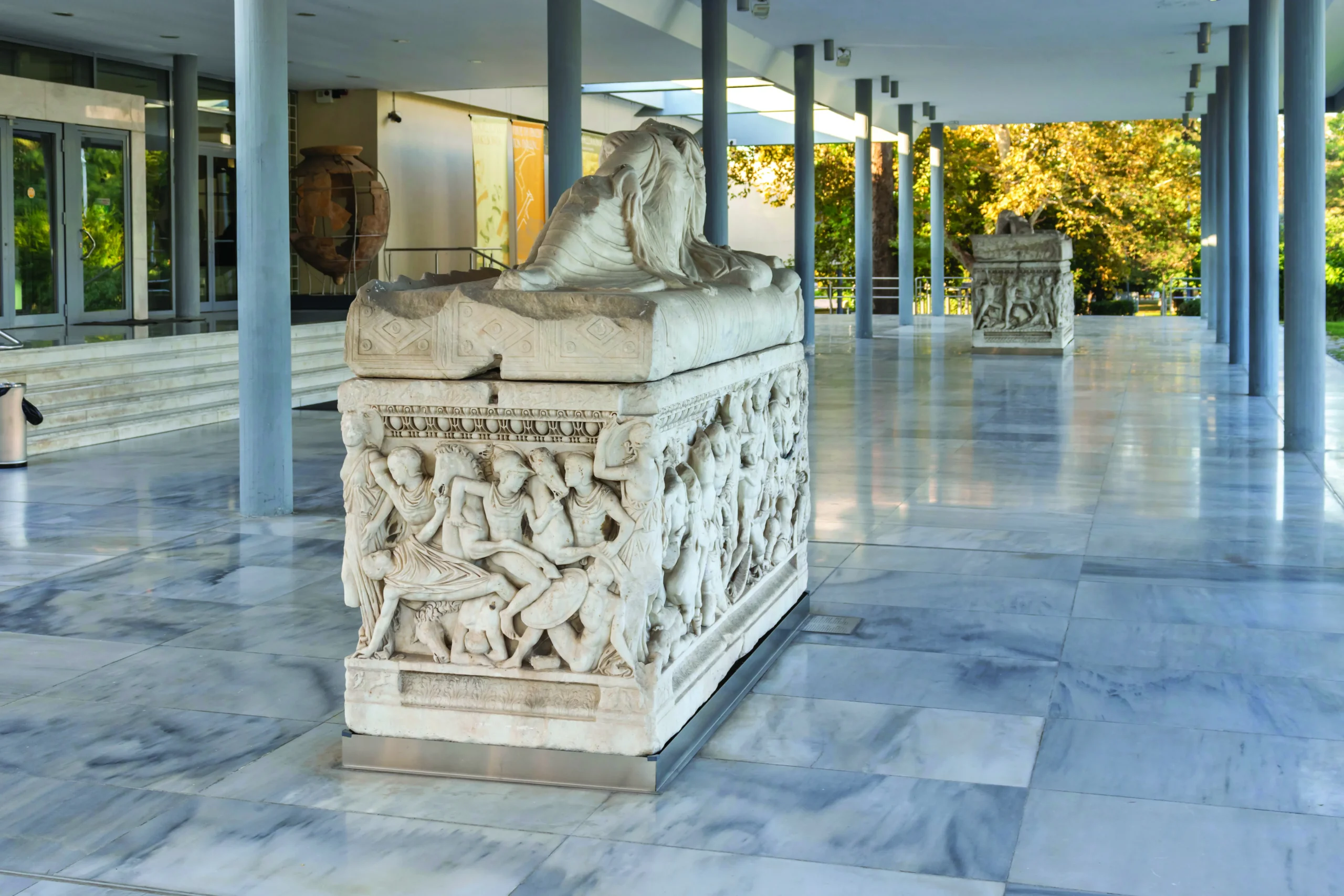
The Field House Garden graveyard is a new permanent open-air exhibit, divided into two main sections, showcasing artifacts dating from the 2nd to the 4th century AD, during the peak of Thessaloniki. This exhibition is an addition to the indoor exhibits of the museum. The first section features a hypothetical reconstruction of a cemetery, including finds, sarcophagi, and altars from the western and eastern cemeteries of the ancient city. The second section is an imagined reconstruction of a Graeco-Roman house, built using modern construction materials, exhibiting authentic mosaic floors, and other artifacts related to household activities and private life.
(April 15 - Νovember 14) Daily 8.00 - 20.00
(November 15 - April 14) Daily 8.30 - 14.00
From November 1st until March 31st reduced ticket price (4€) applies to all guests.
Free Entrance:
• the first Sunday of each month between 1 November and 31 March
• 6 March (Melina Merkouri Memorial Day)
• 18 April (International Museum Day)
• 18 May (International Museum Day)
• the last weekend of September (European Cultural Heritage Days)
• 28 October (National Holiday)