
Museum & Galleries
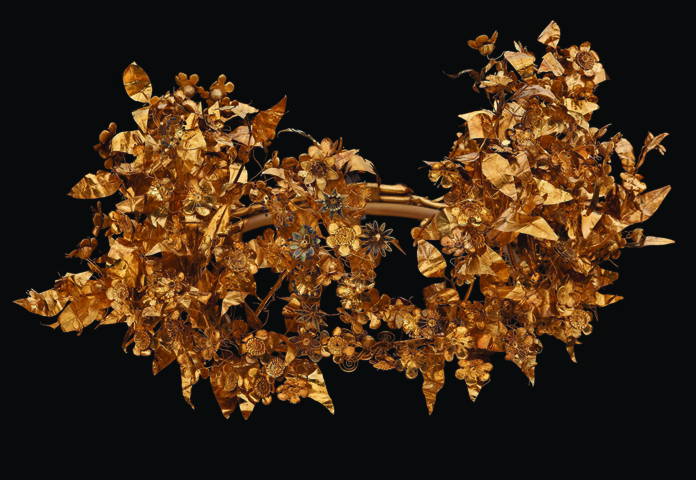
The Archaeological Museum of Thessaloniki, , inaugurated in 1962, is home to significant ancient Macedonian artifacts, including “The Gold of Macedon” collection — gold artwork from cemeteries such as Sindos and Derveni — as well as exhibits from the region’s prehistoric past, dating back to the Neolithic and Bronze Age. Seven interactive systems of enhanced technology offer visitors a new way to combine information and learning through play.
The Museum of Byzantine Culture is one of the city’s most renowned museums, exhibiting Thessaloniki’s glorious Byzantine history, and was the recipient of the Council of Europe’s Museum Prize in 2005. Meanwhile, the White Tower of Thessaloniki presents galleries reflecting the city’s past, from the tower’s creation to recent times.
Opened in May 2026, the “Thessalonikeon Metropolis” Museum, housed in the former Pavlos Mela military camp (now a metropolitan park), showcases the archaeological treasures uncovered during the city’s metro construction — a permanent home for finds that trace Thessaloniki’s continuous history from antiquity through Byzantine times.
Thessaloniki Science Center and Technology Museum is one of the city’s most contemporary, high-tech museums, featuring a large planetarium, a cosmotheater, an amphitheater, and a motion simulator with 3D projection. Other museums include the Railway Museum, exhibiting an original Orient Express train, and the War Museum.
The Ataturk Museum, in the historic house where Mustafa Kemal Ataturk was born, details his life, particularly his time in Thessaloniki; though part of the Turkish consulate complex, admission is free. The Historical Museum of the Balkan Wars, the Jewish Museum of Thessaloniki, and the Museum of the Macedonian Struggle are other notable ethnological museums.
Most of the city’s contemporary art institutions now fall under MOMus (Metropolitan Organization of Museums of Visual Arts of Thessaloniki), established in 2017. MOMus unites the Macedonian Museum of Contemporary Art (formerly the Macedonian and State Museums of Contemporary Art), the Experimental Center for the Arts, and the Thessaloniki Museum of Photography in the old port. The Teloglion Foundation of Art, part of Aristotle University, remains independent, housing works by significant 19th- and 20th-century artists, including native artists.
Thessaloniki Science Center and Technology Museum is one of the city’s most contemporary and high-tech museums, featuring the largest planetarium, cosmotheater with the largest flat screen, an amphitheater, and a motion simulator with 3D projection and 6-axis movement, as well as exhibition spaces.
Thessaloniki, where history breathes and art resides,
a town of museums that whisper the tales of centuries past